Ensuring Clean Air: Bellevue Air Quality Analysis

Maintaining clean air inside homes and businesses is essential for health and comfort. In the Puget Sound area, where weather and environmental factors can influence indoor air quality, regular testing is a wise step. Understanding the air we breathe helps prevent health issues and ensures a safe environment. This post explores the importance of air quality testing in Bellevue, practical steps to improve air quality, and how to recognize potential problems.
Understanding Bellevue Air Quality Analysis
Bellevue air quality analysis involves measuring pollutants and contaminants in indoor environments. These pollutants can include mold spores, dust, volatile organic compounds (VOCs), carbon monoxide, and other harmful particles. Testing provides a clear picture of what is present in the air and at what levels.
Indoor air quality can be affected by many factors:
Building materials and furnishings
Heating, ventilation, and air conditioning (HVAC) systems
Outdoor air pollution entering the building
Moisture and humidity levels encouraging mold growth
By conducting a thorough air quality analysis, homeowners and business owners can identify hidden risks. For example, mold growth behind walls or under floors may release spores that trigger allergies or respiratory problems. Similarly, VOCs from cleaning products or paints can cause headaches and irritation.
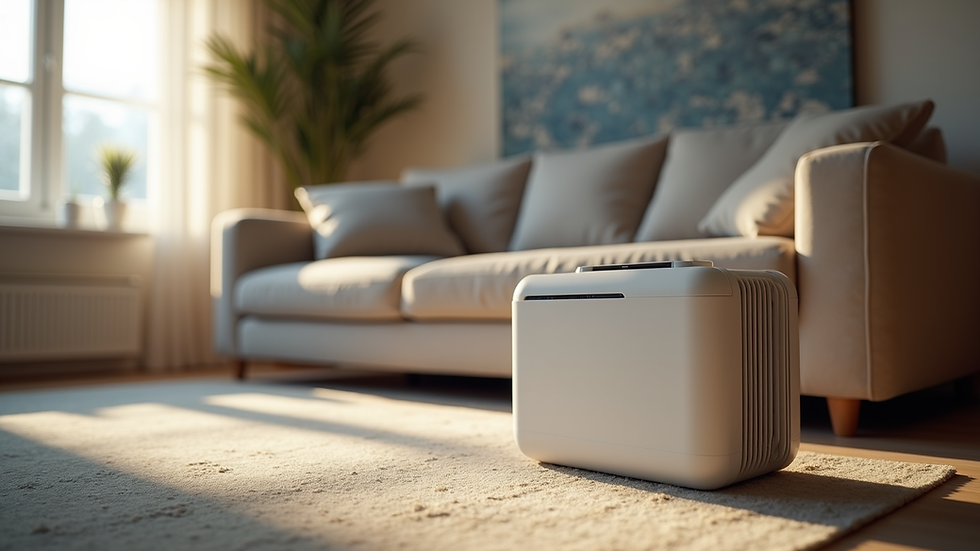
Regular testing is especially important in the Puget Sound region due to its damp climate, which can promote mold growth. A professional inspection uses scientific methods and lab-verified results to ensure accuracy. This data helps guide effective remediation and prevention strategies.
The Process of Air Quality Testing in Bellevue
Air quality testing in Bellevue typically follows a structured process to ensure comprehensive results. Here is what to expect:
Initial Assessment
A professional visits the property to evaluate potential problem areas. They look for visible signs of mold, water damage, or poor ventilation.
Sampling
Air samples are collected using specialized equipment. This may include air pumps, spore traps, or chemical sensors. Surface samples might also be taken from walls or HVAC ducts.
Laboratory Analysis
Samples are sent to a certified lab for detailed examination. The lab identifies specific contaminants and measures their concentration.
Report and Recommendations
The testing company provides a clear report explaining the findings. This includes any health risks and suggestions for improving air quality.
Follow-up Actions
Based on the report, remediation steps such as mold removal, HVAC cleaning, or ventilation improvements can be planned.
For those interested in professional services, air quality testing bellevue offers reliable and scientifically accurate inspections tailored to local conditions.
Can Poor Air Quality Cause Dizziness?
Yes, poor air quality can cause dizziness among other symptoms. When indoor air contains high levels of pollutants like carbon monoxide, VOCs, or mold spores, it can affect the nervous system. Dizziness is a common early warning sign of exposure to these harmful substances.
Other symptoms linked to poor air quality include:
Headaches
Fatigue
Nausea
Difficulty concentrating
Respiratory irritation
For example, carbon monoxide is a colorless, odorless gas that can accumulate from faulty heating systems. Even low levels can cause dizziness and confusion. Mold spores can trigger allergic reactions and respiratory distress, which may also lead to lightheadedness.
If dizziness or other symptoms occur regularly indoors, it is important to investigate air quality. Testing can identify the cause and help prevent serious health issues.

Practical Steps to Improve Indoor Air Quality
After testing reveals the state of indoor air, taking action is crucial. Here are practical steps to improve air quality in homes and businesses:
Increase Ventilation
Open windows when weather permits. Use exhaust fans in kitchens and bathrooms to remove moisture and odors.
Control Humidity
Keep indoor humidity between 30% and 50%. Use dehumidifiers in damp areas to prevent mold growth.
Regular Cleaning
Dust and vacuum frequently using HEPA filters. Clean HVAC filters and ducts regularly.
Use Safe Products
Choose low-VOC paints, cleaning agents, and furnishings. Avoid smoking indoors.
Inspect for Mold
Check for leaks, water stains, or musty odors. Address water damage promptly.
Install Detectors
Use carbon monoxide and smoke detectors to monitor air safety.
Implementing these measures can significantly reduce indoor pollutants and create a healthier environment.
Why Choose Professional Air Quality Testing?
While some DIY kits are available, professional air quality testing offers several advantages:
Accuracy
Professionals use calibrated equipment and certified labs for precise results.
Comprehensive Analysis
They test for a wide range of contaminants, including those not detectable by home kits.
Expert Interpretation
Reports come with clear explanations and tailored recommendations.
Safety Assurance
Identifying hidden hazards like carbon monoxide leaks or toxic mold protects occupants.
Peace of Mind
Knowing the air is safe supports well-being and productivity.
For anyone concerned about indoor air quality, investing in professional testing is a sound decision.
Maintaining Clean Air Long-Term
Ensuring clean air is an ongoing effort. After initial testing and remediation, regular maintenance is key:
Schedule annual or biannual air quality inspections.
Keep HVAC systems serviced and filters changed.
Monitor humidity levels continuously.
Stay alert to new signs of mold or odors.
Educate occupants about practices that support air quality.
By staying proactive, homes and businesses in Bellevue can enjoy safe, comfortable indoor environments year-round.
Clean air is fundamental to health and comfort. Through careful Bellevue air quality analysis and ongoing care, it is possible to identify risks and maintain a safe atmosphere. Whether managing a home or a commercial space, understanding and improving indoor air quality is a practical step toward better living and working conditions.


Comments