Seattle Musty Odor Solutions: Eliminating Musty Odors from Seattle Homes

Living in the Puget Sound area means dealing with a unique climate that can sometimes lead to persistent musty odors in homes and businesses. These odors are not only unpleasant but can also indicate underlying issues such as mold or moisture problems. Addressing these odors promptly and effectively is essential for maintaining a healthy indoor environment. In this post, I will share practical insights and solutions to help you eliminate musty odors from your Seattle property.
Understanding Seattle Musty Odor Solutions
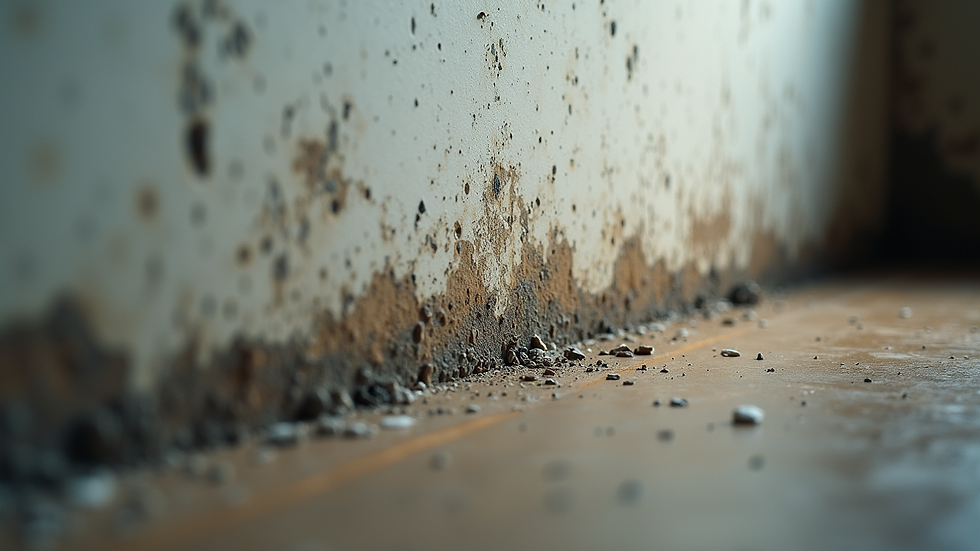
Seattle’s climate is characterized by frequent rain and high humidity, which creates ideal conditions for mold growth and moisture accumulation. These factors often contribute to the musty smell that many homeowners and business owners experience. To tackle this problem, it is important to understand the root causes and implement targeted solutions.
Key steps to address musty odors include:
Identifying moisture sources
Improving ventilation
Removing mold and mildew
Using dehumidifiers
Regular cleaning and maintenance
By focusing on these areas, you can reduce or eliminate the musty smell and improve indoor air quality.

Why is there a sudden musty smell in my house?
A sudden musty smell often signals a new or worsening moisture problem. Common causes include:
Water leaks: Plumbing leaks, roof leaks, or seepage through foundation walls can introduce moisture.
Poor ventilation: Areas like basements, crawl spaces, and bathrooms without adequate airflow trap humidity.
Condensation: Cold surfaces such as windows or pipes can cause moisture buildup.
Flooding or water intrusion: Recent heavy rains or flooding events can saturate building materials.
Hidden mold growth: Mold can develop behind walls, under carpets, or inside HVAC systems.
If you notice a sudden musty smell, it is crucial to inspect your property for these issues. Early detection prevents further damage and health risks.
Practical Steps to Remove Musty Odors
Once you identify the source of the odor, you can take specific actions to eliminate it. Here are practical steps that have proven effective:
1. Locate and Fix Moisture Problems
Start by checking for leaks in plumbing, roofs, and windows. Repair any damage promptly. Inspect basements and crawl spaces for water intrusion. Seal cracks and improve drainage around your foundation to prevent water accumulation.
2. Increase Air Circulation
Good airflow helps dry out damp areas and reduces humidity. Use exhaust fans in bathrooms and kitchens. Open windows when weather permits. Consider installing vents or fans in enclosed spaces.
3. Use Dehumidifiers
Dehumidifiers are essential in Seattle homes to maintain indoor humidity below 50%. This level discourages mold growth and reduces musty odors. Place dehumidifiers in basements, closets, or other damp areas.
4. Clean and Disinfect Affected Areas
Mold and mildew thrive on organic materials like wood, drywall, and fabric. Clean surfaces with appropriate solutions such as diluted bleach or commercial mold removers. Dispose of heavily contaminated materials if necessary.
5. Maintain HVAC Systems
Regularly change air filters and clean ducts to prevent mold spores from circulating. Consider professional duct cleaning if you suspect mold growth inside your HVAC system.
Preventing Musty Odors in the Future
Prevention is key to avoiding recurring musty odors. Implement these strategies to keep your home fresh and dry:
Regular inspections: Check for leaks and moisture buildup seasonally.
Proper ventilation: Ensure all rooms, especially bathrooms and kitchens, have adequate ventilation.
Humidity control: Use dehumidifiers during wet seasons and monitor indoor humidity levels.
Prompt repairs: Address water damage immediately to prevent mold growth.
Routine cleaning: Keep carpets, upholstery, and fabrics clean and dry.
By staying proactive, you can maintain a healthy indoor environment and avoid the discomfort of musty odors.
When to Seek Professional Help
Sometimes, musty odors indicate more serious problems that require expert intervention. Consider professional mold and air quality testing if:
The odor persists despite your efforts.
You notice visible mold growth in hidden areas.
Family members experience allergy or respiratory symptoms.
You recently experienced flooding or significant water damage.
Professionals use scientifically accurate, lab-verified inspections to identify mold species and contamination levels. This information guides effective remediation and ensures your home or business is safe.
For those dealing with persistent issues, consulting a trusted local provider specializing in mold inspections and air quality testing in the Puget Sound area is a wise choice.
If you want to learn more about addressing a musty smell in house Seattle, reliable resources and expert services are available to assist you.
Taking Control of Indoor Air Quality
Eliminating musty odors is not just about comfort; it is about protecting your health and property. By understanding the causes, applying practical solutions, and maintaining vigilance, you can ensure your Seattle home or business remains a safe and pleasant place.
Remember, moisture control and mold prevention are ongoing efforts. Regular maintenance and timely action are your best defenses against musty odors and the problems they signal.
By following these guidelines and using the right tools, you can effectively eliminate musty odors and enjoy cleaner, fresher air in your Seattle property.


Comments